
The 5 Main Sources of Customer Dissatisfaction in a Restaurant
Rising Prices at the Heart of Changing Dining Habits
3 out of 4 restaurant customers feel that prices have gone up, according to UKHospitality, the leading trade association for the hospitality sector. This price inflation is pushing customers to change their behaviour: ordering cheaper dishes (58%), ordering fewer courses — cutting starters, desserts, or drinks (43%), or switching restaurants altogether (more than 1 in 3 — 38%).
During periods of inflation, many feel the experience is no longer "worth the price", which weakens their overall satisfaction. Overall, this economic climate has resulted in fewer dining-out occasions for 55% of respondents and reduced restaurant spending for 42% of UK diners.
Value for Money / Quality vs. Portion Size
Some customers feel that when faced with a high bill, the portions simply do not match up, or that the quality no longer justifies the price. Research shows that 27% of respondents believe portion sizes have decreased.
Poor Customer Handling by Service Staff
Customers also report dissatisfaction with long waiting times (31%), lukewarm food (28%), and a lack of staff (24%). These service team issues must be addressed internally to prevent poor experiences.
Hygiene and Cleanliness
1 in 3 customers has been unhappy with the state of the toilets during a restaurant visit. In a more recent study, 50% of respondents said they had avoided using the toilets in a restaurant or public place due to poor hygiene. The Food Standards Agency (FSA) provides clear hygiene rating guidelines that can help your establishment maintain the highest standards of cleanliness and build customer trust.
Poor perceived hygiene in the toilets leads customers to assume that the kitchen or other areas of the establishment may not be properly maintained either, which damages trust.
Questionable Commercial Practices
Charging for an unrequested bottle of water, placing food or drinks on the table without being asked, unexpected fees: all of these practices should be avoided if you do not want to generate negative word-of-mouth.
How to Work Towards Customer Satisfaction
Here are 5 practical solutions to improve customer satisfaction in your restaurant:
Strengthen Pricing Transparency
Prices must be displayed clearly: if there are price increases or high charges, they must be justified (raw materials, quality, suppliers). If you have specific constraints, communicate them openly (supply shortages, energy costs, inflation…): customers respond better when they are kept informed.
Communicate Your Value
What factors would lead customers to pay more at a restaurant?
- 71% for home-cooked food
- 40% for a pleasant and welcoming atmosphere
- 37% for excellent service
- 35% for locally sourced produce
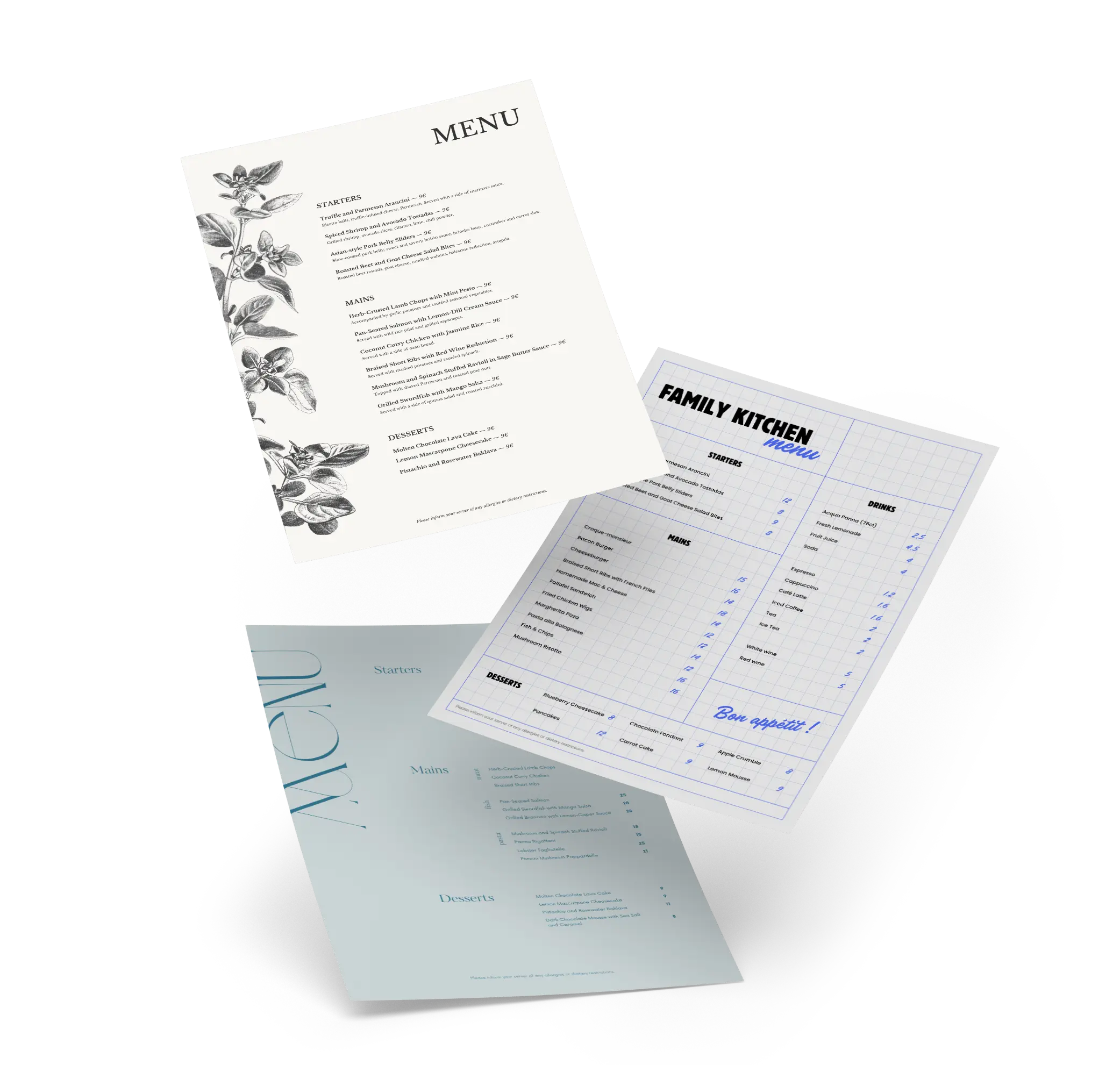
Your main lever for improvement lies in how you design your restaurant menu.
Revisit Your Offering to Adapt to Customer Choices
Offer inflation-friendly set menus with "starter and main" or "main and dessert" options at stable prices, highlight daily specials with strong value for money, and diversify your offering with cost-controlled dishes (vegetarian options, tapas, budget-friendly menus).
To optimise costs without devaluing the customer experience, working with local or short-supply-chain suppliers can help control costs while showcasing your authenticity. Rethinking your supply chain can also reduce food waste and losses — WRAP's Food Waste Reduction Roadmap offers practical frameworks specifically designed for the hospitality sector.
Train Your Team in Service and Customer Conflict Management
Professional training programmes are available on managing difficult situations in a restaurant, handling customer incivilities in the hospitality sector, and sales technique fundamentals. Role-play exercises based on real customer interactions can also help. Acas provides practical conflict resolution guidance directly applicable to hospitality teams.
By training your service team in non-violent communication, active listening, and assertiveness, conflict management becomes much easier. Documenting each incident (complaints, solutions, feedback) helps establish a conflict management process that benefits your entire team.
Work with Your Customers to Build Trust
Don't hesitate to open a dialogue with customers beyond the standard "was everything alright?": comment cards, a QR code for feedback, or direct feedback. Stay proactive with online reviews: respond to criticism, offer compensation (discounts, goodwill gestures), and thank satisfied customers to strengthen loyalty. According to The Caterer, responding to reviews — both positive and negative — is one of the most impactful actions a restaurant can take to build long-term reputation.
Innovate to Become Attractive Again
By investing in the customer experience (décor, atmosphere, events, themed evenings, live music, immersive experiences), you give unhappy customers a reason to come back. Technology is a second avenue: online booking, click-and-collect, QR code menus — all of which make the experience in your restaurant smoother and more modern.
How to Handle Customers Who Didn't Enjoy Their Meal
"The customer is always right." Whether true or not, the way you manage an unhappy customer is crucial. Keeping the situation under control may turn things around in 5 key steps:
1) Listen to the Customer's Feedback and Acknowledge It
Before offering a solution or launching into explanations, the ideal approach is to first listen carefully to what the customer has to say, then summarise in a few words what they have shared — to show that you have genuinely taken their feedback on board. It is only after this that you can attempt to explain the dish if it was misunderstood, and identify what the customer did not enjoy. Exchanges with the kitchen can then take place to check that no errors were made. If errors were made, a goodwill gesture is called for.
2) Verify That Feedback is Genuine — and Watch Out for Scams
In the digital age, leaving a negative review online is incredibly easy and carries significant potential to damage a restaurant's reputation. Many restaurant owners report experiencing blackmail from customers who threaten negative reviews — or promise positive ones — in exchange for complimentary food or drinks. Expressing dissatisfaction can also be a tactic to secure a free meal, a scam well known in the industry. It goes without saying that not all customers act this way, but this type of behaviour is not uncommon — so staying alert is no bad thing.
3) Make a Goodwill Gesture: Offer a Coffee or a Dessert
If, after speaking with the customer, the dissatisfaction is genuine and there was an error in the kitchen or the customer was simply disappointed, an apology along with a goodwill gesture can go a long way. This could mean offering a complimentary coffee to show you have acknowledged the inconvenience, or a bonus dessert to finish the experience on a better note — without going too far in rewarding bad faith.
4) Appreciate and Thank the Customer for Their Honesty
A customer's honesty is genuinely valuable. By expressing their dissatisfaction in person, they give you the chance to turn the situation around. This is far preferable to the customer who stays silent throughout their visit and then posts their complaints online the moment they leave. Every sincere customer should leave your establishment satisfied.
5) Use Customer Feedback to Improve the Restaurant Experience
Customers can share very constructive observations that help you improve the experience in your establishment. By speaking with the customer, you can determine whether the dissatisfaction comes from their personal tastes or from a shortcoming on your part.
10 Difficult Customer Situations Every Restaurant Owner Faces
1) Customers Who Book… and Don't Show Up
The no-show creates a genuine financial loss for a restaurant that has organised its seating and stock based on confirmed bookings. It disrupts management and risks the very food waste the industry works so hard to avoid. UKHospitality estimates that no-shows cost the UK hospitality industry hundreds of millions of pounds each year.
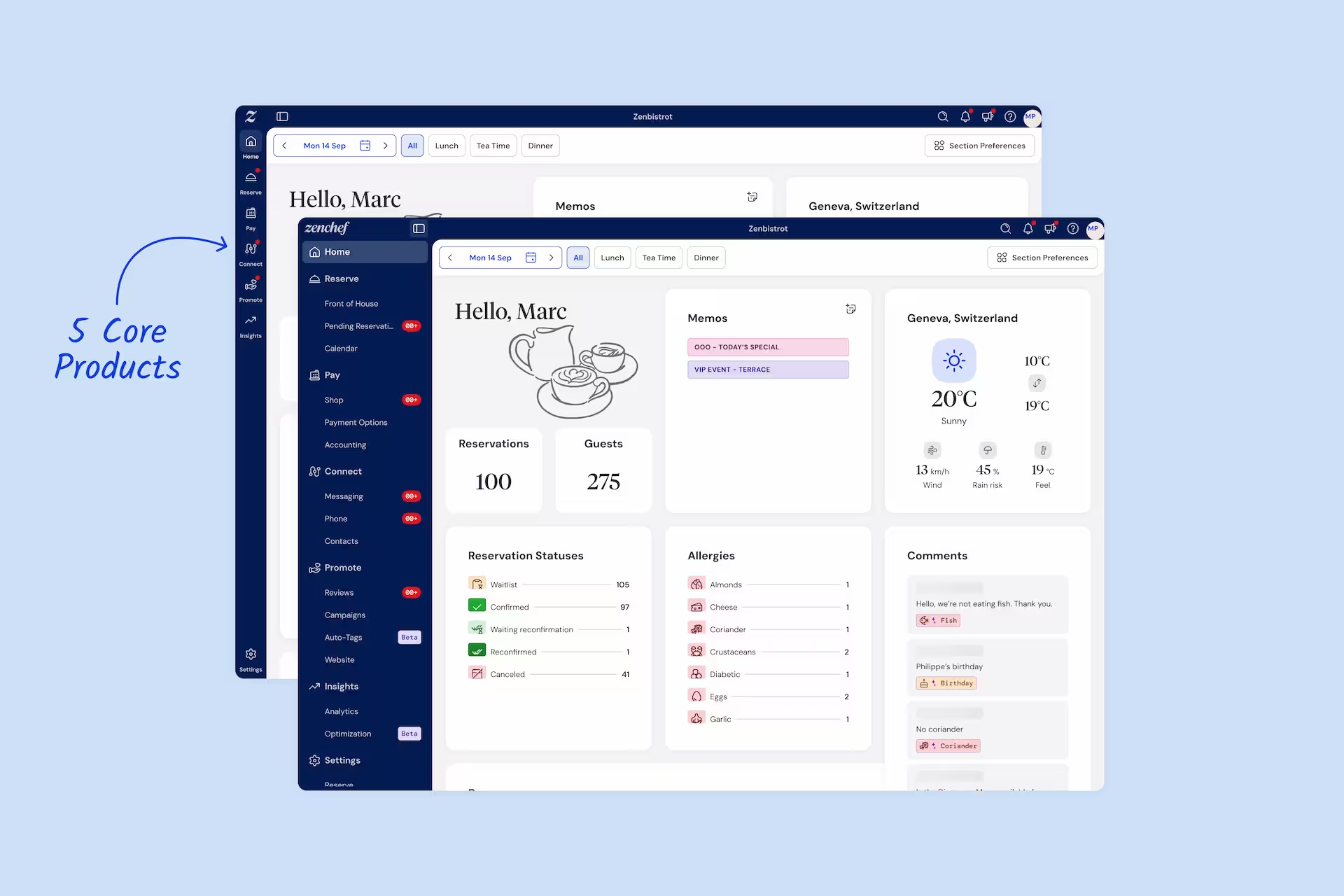
With card pre-authorisation, prepayment at the time of online booking, and the ability to flag a booking as a no-show in your CRM, Zenchef offers several tools to protect your restaurant.
2) Negative Reviews from Customers Who Left a Clean Plate
You have almost certainly come across the customer who, the moment they are comfortably settled behind their screen, proceeds to tear your dishes apart online — criticising the taste, the preparation, or anything else — despite having left a spotless plate and not uttered a single negative word during their visit.
3) Malicious Reviews from Restaurant Customers
Then there are those who appoint themselves as critics and engage without scruple in a barrage of unconstructive complaints, sometimes for reasons that have absolutely nothing to do with your service. With its online review management module, Zenchef allows you to respond to negative reviews with personalised responses or pre-made reply templates.
4) Splitting the Bill
"Are you paying together or separately?" — almost certainly the question your servers dread hearing most. Dealing with a group that all want to pay separately, with different payment methods, can be far from simple. With Zenchef Pay, your guests pay directly from their phone at the table.
5) Sales Calls in the Middle of a Busy Service
A busy Saturday lunch, a packed terrace, and the phone has been ringing for more than 10 minutes. You pick up — only to find yet another sales representative. With ZenCall, the type of call you receive is visible via a notification (customer, business, referrer…), letting you prioritise important calls. And if you cannot answer during service, customers can always book a table online via your website.
6) Customers Who Seat Themselves
Three types to watch out for: the one who quietly sits down at a free table without being noticed; the one who chooses the only table that has not been cleared; and the one who calmly seats themselves at a table for four, right in the middle of a busy lunch service when every table is carefully assigned. Zenchef saves your team time on order-taking, billing, and seating, freeing up time to properly greet guests and prevent self-seating.
7) "Are You Sure You'll Remember All of That?"
After months — or years — of training your memory to retain long lists of dishes, it can be hard to suppress a smile when two guests order two steaks and a bottle of white wine and then ask whether you will manage to remember it. With a digital menu via QR code and professional tablet order-taking, the chance of your servers forgetting part of an order is almost zero.
8) Customers Who Like to Customise Your Dishes
Every dish on a menu is the result of careful research and preparation to produce specific flavours and a particular experience. Asking the chef to remove key ingredients can be genuinely frustrating. Zenchef's restaurant menu creation software allows you to add options, extras, toppings, cooking preferences, and alternatives directly to your menu.
9) Deliveries That Are Late — or Never Arrive
Imagine you run a bagel restaurant and your bread order, placed a week ago, still has not arrived. It is 11:45. In 15 minutes, nearby offices will empty out and hungry workers will flock to you for lunch. A smooth service start requires every link in the chain to have played their part on time.
10) When Children Take Over
Zigzagging between servers carrying hot dishes, tablets blaring cartoons, tears and tantrums over a plate of vegetables… While not all children are mini hooligans, it is not uncommon for little ones to turn an establishment into a battlefield. This is why many restaurant owners have chosen to ban them, or at least communicate clear rules of conduct to parents upon arrival.
The 10 Different Types of Difficult Customers in a Restaurant
1) The Arrogant Customer
This customer is confident — sometimes ostentatiously so. They may make condescending or rude remarks, giving the impression of judging everything (the menu, the service, the food) as if they were an expert.
Why might they be unhappy? They feel the establishment does not meet their standards, that the service is not up to scratch, or that recommendations are "not premium enough".
How to handle their dissatisfaction? Acknowledge and value their remarks while remaining professional: "I can see you have very refined tastes and high expectations — thank you for your feedback, I'll see what I can do." Offer premium alternatives (signature dishes, chef's recommendations). If their demands become unreasonable, set limits calmly and assertively.
2) The Self-Proclaimed Expert
They are knowledgeable — or at least believe they are — about cooking, wines, and ingredients. They will comment, judge, or suggest different approaches.
Why might they be unhappy? They are not convinced by the chef's choices, critique the cooking technique, the provenance of ingredients, or question the wine list.
How to handle their dissatisfaction? Acknowledge and value their knowledge, explain your choices (choice of ingredients, dish concept, chef's vision), offer some autonomy (adjustments to cooking or seasoning), and share anecdotes about your dishes.
3) The Time-Consuming Customer
This customer takes up a great deal of your server's time — deliberating over their order, asking questions, requesting adjustments. They monopolise attention.
Why might they be unhappy? They may feel lost, with a genuine desire to be guided and to receive a highly personalised experience. They may fear making the wrong choice.
How to handle their dissatisfaction? Anticipate their questions with a clear digital menu. Gently introduce a time frame: "Shall I come back in a couple of minutes to finalise your choice?" Ask guiding questions: "Would you prefer something light or something more substantial?"
4) The "Best Mate" Customer
They adopt a very relaxed approach, as if dining at a friend's. Sociable, chatty, and quite familiar with the serving staff.
Why might they be unhappy? They may be disappointed if the service feels too formal or distant. They want warm exchanges and a friendly atmosphere.
How to handle their dissatisfaction? Build a warm rapport — a friendly response, a smile, light banter (within professional limits). Remember their preferences if they are a regular. Offer small extras (a digestif, a complimentary coffee…).
5) The Fussy Customer
This customer pays close attention to every detail: dish presentation, cleanliness of cutlery and glasses, plate temperature, décor, table placement, noise, service quality.
Why might they be unhappy? They notice everything that is not quite right: a slightly crooked plate, a glass that is not perfectly clean, wine served a little too warm.
How to handle their dissatisfaction? Check the quality of your table setting before service. Ask proactively if everything is to their satisfaction. If they raise remarks, acknowledge and correct immediately: "Thank you — I'll bring you a fresh glass right away." Follow up on their satisfaction after the meal.
6) The Complainer
They are ready to voice their dissatisfaction. They may complain loudly, contest prices, portions, service, the menu, or waiting times.
Why might they be unhappy? Order errors, slow service, the size of the bill, value for money, a lack of recognition. Often, they simply want to be heard and perhaps receive a goodwill gesture.
How to handle their dissatisfaction? Listen without interrupting, then validate their feelings with empathy: "I understand that this wait has been frustrating for you." Explain the issue and propose a solution. If demands become excessive, set respectful limits: "I understand your frustration, but I cannot…, however, here is what I can do."
7) The Eternally Dissatisfied Customer
They always seem to find something to fault, no matter what you do. Even after a goodwill gesture, they remain critical.
Why might they be unhappy? They may have unrealistic expectations and a systematically critical attitude with a very high level of demand.
How to handle their dissatisfaction? Acknowledge their expectations without making impossible promises: "I can see that you have very high standards — I appreciate that, and I will do my best." Apply rigorous standards. Ensure discreet follow-up, and do not exhaust yourself: any goodwill gesture must remain within your restaurant's policy.
8) The Changeable Customer
This customer often changes their mind, hesitates, modifies their order, or varies their expectations from one visit to the next.
Why might they be unhappy? They regret their dish choice and want something different at the last moment. They may want substitutions, modifications, or changes.
How to handle their dissatisfaction? Offer a flexible and customisable menu (options, extras, alternatives). Guide the customer during order-taking. Respond quickly if they change their mind and communicate the consequences (adjustments possible, waiting time…).
9) The Silent Customer
This customer does not say much. They are reserved, may not express their expectations clearly, ask few questions, and may reveal their dissatisfaction without saying so directly — through body language, or simply by leaving without a word.
Why might they be unhappy? They may be disappointed without having dared to ask for something.
How to handle their dissatisfaction? Ask open and specific questions: "Do you have any preferences?" or "Would you like me to explain some of the dishes?" Be attentive to body language to detect discomfort. Encourage feedback during the meal: "If at any point you'd like to share anything, please don't hesitate."
10) The Rude Customer
This customer can be blunt, verbally aggressive, sarcastic, or very impatient. They may lack basic courtesy, fail to observe rules of politeness, and sometimes cross the line.
Why might they be unhappy? The reasons are many: personal stress discharged onto your team, service perceived as slow or inefficient, order errors, a lack of recognition, poor value for money.
How to handle their dissatisfaction? Remain calm and professional. Let the customer speak without interrupting, then acknowledge their points and validate their feelings: "I understand that you are frustrated." Apologise if a genuine error was made. Then offer a solution and set clear limits: "I want to help you, but I cannot continue if you speak to me this way." Call a manager if needed. In extreme cases (threats, abuse), security protocols must be in place.
In London and across the UK, some restaurants have adopted a creative solution for dealing with rude customers: charging a premium for discourteous ordering — a concept that sparked lively debate across the hospitality industry. Pricing can legally vary according to the criteria of your choice, provided the conditions of sale are clearly communicated and do not discriminate on grounds prohibited by law.