Providing Free Tap Water in Your Restaurant
Free Tap Water is a Legal Requirement for UK Restaurants
Under the UK Licensing Act 2003 and guidance from Trading Standards, restaurants and bars have a clear obligation to provide customers with free drinking water. This isn't optional — it's a requirement that stems from consumer rights and food safety standards. Establishments must ensure this water is offered to any customer who orders food or drink, and it should be available at an appropriate temperature (either chilled or room temperature).
The principle is straightforward: tap water is considered part of the basic dining experience, much like a plate or cutlery. It must be included in the price of your menu items, not charged separately. Customers have every right to request water when dining at your establishment — and your team should respond promptly and courteously.
Consequences of Non-Compliance
Failing to provide free water or actively refusing customer requests can result in serious consequences:
- Regulatory action: Trading Standards inspections may lead to warnings, fines, or enforcement notices.
- Reputation damage: A single poor interaction around water service can spark negative reviews on Google, TripAdvisor, and Trustpilot and damage customer trust.
- Legal disputes: Dissatisfied customers may escalate complaints to local authorities or pursue formal action.
Why Offering Free Tap Water Matters
Beyond legal compliance, serving free tap water reflects best practice hospitality and aligns with customer values:
- Customer care: Water is often one of the first things guests ask for. Placing a carafe on the table shows attentiveness to their wellbeing and comfort.
- Sustainability: Offering tap water reduces plastic waste, supporting the growing eco-conscious consumer base — especially relevant given the UK focus on reducing single-use plastics.
- Health support: Staying hydrated is essential for wellbeing. Making water freely available supports customer health during their meal.
- Brand value: Thoughtful details like complimentary water build customer loyalty and signal a restaurant that genuinely cares about the dining experience.
- Customer satisfaction: This simple gesture often makes the difference between a forgettable visit and a positive one.
What to Do if a Customer Requests Water
If a customer requests free water, staff should respond professionally and promptly:
- Listen and respond: Acknowledge the request immediately and provide water without hesitation or comment.
- Offer options: Ask whether they prefer still or chilled water, in a glass or jug.
- Know the law: If a customer mentions their right to free water, confirm that you fully support this requirement and provide the service promptly.
- Train your team: Ensure all front-of-house staff understand that free water is a non-negotiable customer right, not a favour.
Creating a Premium Water Menu
Water Menus as a Revenue Opportunity
Whilst free tap water is mandatory, many modern restaurants are discovering a profitable secondary market: premium water menus. Just as wine lists showcase distinct varietals and regions, water lists highlight the unique flavours and mineral profiles of artisanal and regional bottled waters. This trend responds to several factors: consumers increasingly see premium water as a quality choice, restaurants can differentiate their offering, and profit margins on bottled water are comparable to wine.
A well-curated water menu signals that your restaurant pays attention to detail and respects the complexity of dining.
Understanding Water Flavour and Pairing
Water is never neutral. Every water has distinct characteristics shaped by its mineral content — the defining factor in water tasting. Terms like sweet, crisp, mineral-forward, or balanced describe these organoleptic qualities. Key mineral components affect water flavour profile:
- Calcium adds sweetness
- Magnesium brings a subtle metallic note
- Sodium contributes a saline character
When designing pairings for your menu, consider these principles:
- Calcium-rich water: Adds a slightly sweet quality that complements lighter dishes or desserts.
- Magnesium-rich water: Carries subtle mineral notes that work well with vegetable-forward plates.
- Sodium-rich water: Offers a saline quality suitable for seafood or briny preparations.
- Sparkling water: Cleanses the palate between courses and can lift lighter, delicate flavours. It works particularly well with rich or heavy dishes.
Interestingly, highly spiced dishes often pair better with lower-minerality waters — your palate needs breathing room to appreciate the nuanced flavours in the food.
Building a Curated Water List
When selecting waters for your menu, consider:
- Local and regional sources: Feature waters from the UK or nearby regions to support local producers and appeal to customers who value provenance.
- Quality and reputation: Choose waters known for consistent quality and interesting mineral profiles.
- Variety: Offer both still and sparkling options across different price points to cater to various preferences and budgets.
- Staff knowledge: Train your team to explain the water selection and suggest pairings, just as they would with wine.
Consumer Trends: What UK Diners Want
The Rise of Water Consumption in Restaurants
Water has become one of the top three preferred beverages for UK diners, alongside coffee and juice. This reflects broader shifts in consumer behaviour: growing health consciousness, reduced alcohol consumption (the 'sober curious' movement), and heightened environmental awareness.
Key consumer preferences include:
- Still water preference: A significant portion of customers prefer flat water over sparkling.
- Sparkling appeal: About one in four diners choose sparkling water as their preferred option.
- Variety matters: For approximately half of restaurant customers, having multiple water options available is an important factor in their dining choice.
- Sustainability and provenance: Customers increasingly want to know the source of their water and its environmental credentials — whether it's locally sourced, filtered, or bottled in recyclable glass.
- Quality assurance: Customers expect water to taste fresh, clean, and properly served at the right temperature.
Regional Water Partnerships and Terroir
A growing movement links water to regional identity and local gastronomy. Much like wine, water reflects the terroir — the landscape, geology, and environment — of its source. Restaurants in mineral-rich regions are increasingly partnering with local water producers to offer exclusive or limited-edition water selections. This strategy:
- Strengthens local connections and supports community producers
- Creates a unique, defensible menu offering that competitors can't easily replicate
- Tells a compelling story about your restaurant's values and commitment to place
- Justifies premium pricing by emphasising quality and exclusivity
What Diners Prefer: Current Data
Recent consumer research reveals clear preferences:
- 70% of restaurant water drinkers say they would consume more bottled water if it were readily available and recommended
- Still water dominates in fine dining, where 45% of customers prefer flat water
- Approximately 25% prefer sparkling, and around 20% appreciate the flexibility of choosing either option
- Having multiple brands or sources available appeals to half of all diners
Beyond basic preference, diners also value quality factors: price-for-value perception, local or regional sourcing, and sustainability credentials (such as recyclable glass bottles or water-saving initiatives).
Water as a Wellness and Lifestyle Choice
The growth of wellness-focused dining aligns perfectly with water prominence. Movements like 'Dry January' have normalised conversations about non-alcoholic alternatives, and water — especially premium, artisanal water — fits perfectly into this space. By offering a thoughtful water programme, your restaurant positions itself as aligned with modern customer values: health, sustainability, quality, and community awareness. This is increasingly important in the competitive hospitality landscape.
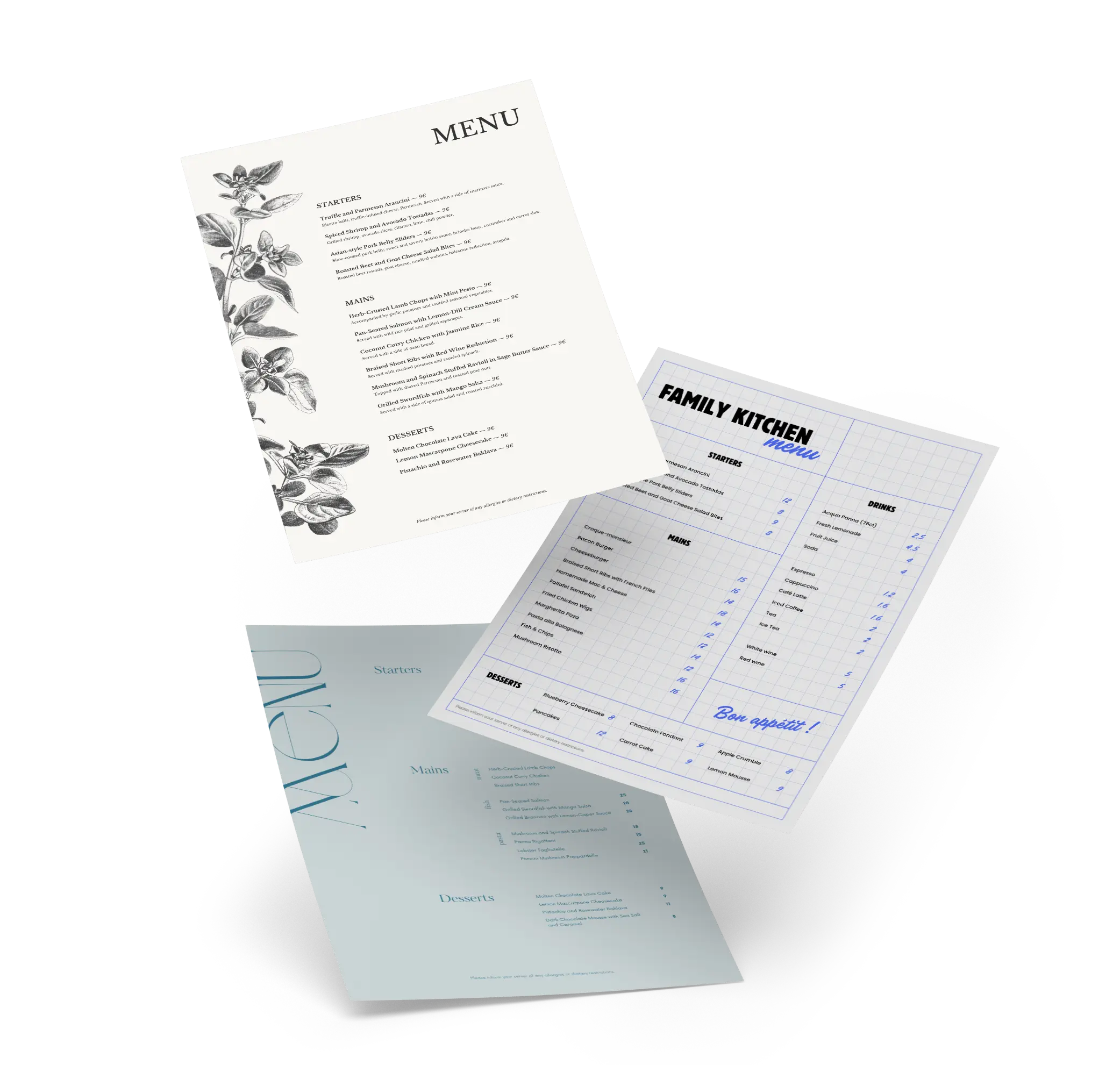
For more guidance on managing your team and service, read our article on how to be a good restaurant manager. You might also find our guides on restaurant service optimisation, tipping at restaurants, and create your restaurant menu online for free valuable for your operations.