
What Makes a Restaurant Accessible?
Restaurant accessibility goes beyond wheelchair ramps. It encompasses physical access, sensory considerations, communication options, and service adaptations. Under the Equality Act 2010, restaurants must make reasonable adjustments to accommodate disabled guests. This includes both visible disabilities (mobility challenges, visual or hearing impairments) and invisible disabilities (autism, anxiety, chronic pain, cognitive conditions).
According to UKHospitality, accessible hospitality is a growing priority for UK restaurants aiming to serve diverse communities and improve their reputation.
The 10 Accessibility Innovations Every Restaurant Should Consider
1. Accessible Menus: Multiple Formats
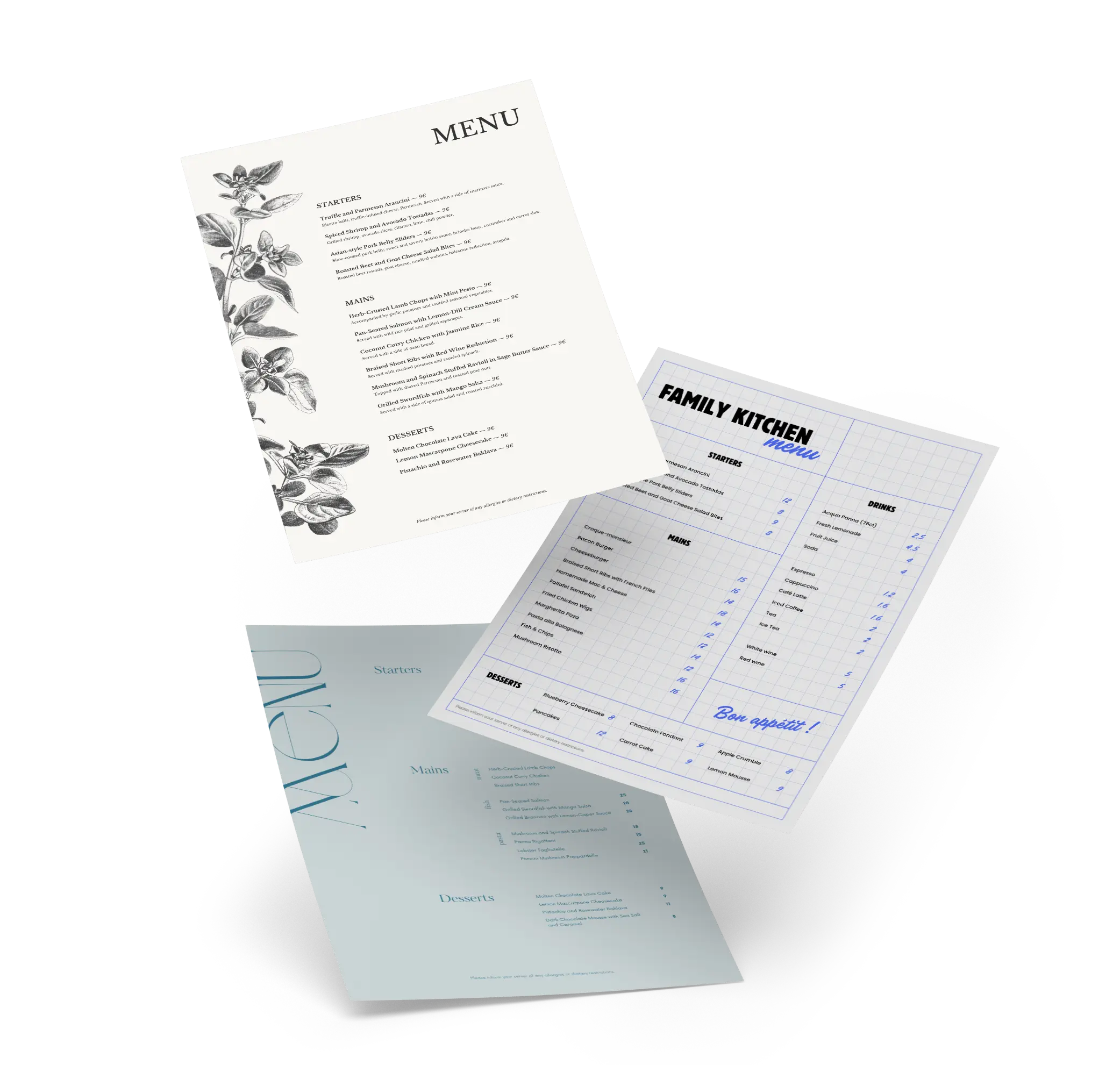
Offer your menu in multiple formats to reach guests with different accessibility needs. Digital menus are excellent for guests with visual impairments, who can use screen readers or enlarge text. Large-print menus help guests with low vision. Audio descriptions of dishes benefit blind guests and those with reading difficulties. QR codes linking to web menus also work well. Consider using digital solutions that allow real-time updates without reprinting costs.
Your menu should always include information about allergens, ingredients, and preparation methods — crucial for guests with food allergies or intolerances.
2. Physical Access: Beyond the Ramp
Wheelchair accessibility extends further than the entrance. Ensure adequate space between tables for wheelchair manoeuvring (at least 1.5 metres). Accessible toilets must be nearby, with grab rails and sufficient turning space. Lift access to different dining levels is essential if your restaurant spans multiple floors. Avoid clutter in aisles, keep floors non-slip and well-lit, and ensure doorways are wide enough (at least 775mm). Parking spaces reserved for disabled visitors should be clearly marked and located close to the entrance.
3. Seating and Table Accessibility
Not all disabled guests want to sit at their standard table. Some wheelchair users prefer booth seating, whilst others need tables with no footrests to accommodate mobility aids. Offer a mix of seating options, including standard chairs, padded chairs with armrests for guests with joint pain, and wheelchair spaces at various table heights. Ensure tables are sturdy and adjustable in height where possible. This helps guests with different mobility needs and those with chronic pain conditions who may need to shift position frequently.
4. Lighting and Sensory Environments
Many disabled guests are sensitive to sensory environments. Guests with autism, anxiety, or migraines find dim, noisy restaurants overwhelming. Create quieter dining areas with softer lighting, or allow guests to request tables away from the main service area. Avoid excessive flickering lights and ensure toilets have automatic lighting. For guests with vision impairments, maintain consistent and adequate lighting throughout the restaurant, particularly in corridors and toilet areas.
5. Accessible Payment Methods
Ensure payment systems work for everyone. Contactless payments and mobile payment options help guests with dexterity challenges. Provide accessible card readers and counters at an appropriate height. Screen readers on payment terminals benefit guests with visual impairments. Don't assume all guests want to pay at table. Some prefer to pay at the counter, whilst others need assistance. Train staff to ask how each guest would like to pay and be flexible in accommodating different needs.
6. Staff Training and Disability Awareness
Your team is your restaurant's biggest accessibility asset. Comprehensive disability awareness training helps staff understand different disabilities, recognise when a guest needs assistance, and respond appropriately without being patronising. The Acas workplace guidance emphasises that effective staff communication and conflict resolution skills are essential for managing diverse customer needs. Train your team to ask how they can help rather than making assumptions.
7. Communication Aids and Alternatives
Not all guests can communicate verbally. Provide visual communication aids such as picture menus or communication cards. For deaf guests, consider offering video relay interpretation or subtitled menus. Ensure there's a quiet space where guests can communicate using their preferred method without rushing. Train staff to slow down their speech when speaking to guests with hearing difficulties and to face them directly so they can lip-read if needed. Written confirmation of orders helps guests with auditory processing difficulties.
8. Accessible Booking and Arrival Procedures
Start the accessibility journey before guests arrive. Your booking system should ask about accessibility needs and allow guests to request specific tables, menu formats, or assistance. Confirm these arrangements before arrival. When guests arrive, have staff ready to greet them and assist without hovering. Know where the accessible toilet is and be prepared to guide guests if needed. Avoid placing guests at tables where they feel on display or isolated.
9. Food and Serving Adaptations
Accessibility extends to how food is served. Some guests with mobility challenges cannot cut meat or manipulate cutlery. Offer pre-cut options or serve dishes already prepared, without making guests feel singled out. For guests with certain conditions, serve meals at a comfortable pace. Those with cognitive difficulties or anxiety may eat more slowly. Guests with feeding tubes may need a private space to eat. Always ask how you can help rather than imposing solutions.
10. Accessible Facilities: Toilets, Lifts, and Beyond
Accessible toilets are non-negotiable. They must include grab rails, a bidet or accessible toilet, and adequate turning space for wheelchairs. Ensure soap dispensers, towel dispensers, and mirrors are at appropriate heights. Emergency help buttons are essential for guests who may experience a medical event. If your restaurant spans multiple floors, install a working lift. Lifts should be spacious, have clear signage, and emergency communication systems. Stair access alone excludes wheelchair users, those with mobility aids, and parents with pushchairs.
Legislation: The Equality Act 2010
In the UK, the Equality Act 2010 requires all businesses to provide equal access and avoid discrimination. Restaurants must make 'reasonable adjustments' to accommodate disabled guests. This covers physical access, communication, and service provision. Failing to do so can result in legal action and fines. More importantly, it means losing customers and damaging your reputation. Making your restaurant accessible is both a legal and moral imperative.
Best Practices from Leading Restaurants
Several UK restaurants are leading the way in accessibility. They offer adjustable menus, dedicated accessible spaces, trained staff, and genuine commitment to inclusion. These establishments report increased customer loyalty, positive word-of-mouth, and improved staff satisfaction. For more insights into inclusive hospitality practices, consult resources from The Caterer, which regularly covers accessibility trends in UK hospitality.
Implementing Accessibility: A Practical Roadmap
Start with an accessibility audit. Walk through your restaurant as a disabled guest would. Identify barriers to physical access, communication, and service. Prioritise high-impact, low-cost changes first.
- Audit your physical spaces (entrance, toilets, dining areas)
- Review your menu and communication methods
- Train staff on disability awareness and reasonable adjustments
- Update your booking system to ask about accessibility needs
- Publicise your accessibility features clearly on your website and booking platforms
- Gather feedback from disabled guests and iterate
The Business Case for Accessibility
Beyond compliance, accessible restaurants attract a larger customer base. Disabled guests often travel with companions, making group bookings more valuable. They're also more likely to return to establishments that treat them with respect and make genuine efforts to accommodate their needs. According to the Office for National Statistics, spending by disabled households is significant and growing. Restaurants that welcome disabled guests tap into this market and build a reputation for inclusivity.
Common Myths About Restaurant Accessibility
Myth: Accessibility is too expensive.
Reality: Many adjustments are low-cost (training staff, offering multiple menu formats, flexible seating). Start small and build over time.
Myth: Few disabled people dine out.
Reality: Disabled people do dine out and spend significant money on hospitality. They simply avoid restaurants that don't welcome them.
Myth: Accessibility only means wheelchair access.
Reality: Accessibility includes sensory, cognitive, and communication needs. It's much broader than physical ramps.
Measuring Accessibility Success
Track your progress with key metrics: number of accessibility requests in bookings, guest feedback ratings, repeat visit rates from disabled customers, and staff confidence in serving disabled guests. Ask disabled guests for feedback regularly. What works? What needs improvement? This direct input is invaluable for refining your approach.
For more tips on managing your restaurant effectively, read our guide on how to be a good restaurant manager. You might also be interested in trends in the restaurant industry and how to maximise your restaurant's potential. Our article on restaurant service optimisation also complements this accessibility guide.