What Makes a Dish Profitable?
A dish is profitable from the moment it generates a gross margin. In other words, the selling price of the dish must exceed its cost price (which represents the sum of purchasing and production costs).
In 2024, experts recommend aiming for a gross margin rate of between 70% and 75%, which implies a food cost ideally between 25% and 30% of revenue excluding VAT. According to UKHospitality, managing food costs effectively remains one of the most critical levers for restaurant profitability.
As a reminder, the gross margin in restaurants is the profit made on the sale of a product — the difference between the selling price of a dish and its production cost. This financial indicator is calculated as follows:
Gross margin = [Revenue excluding VAT – Cost of raw materials] / Revenue ex. VAT × 100
The Zenchef Performance Calculator
To calculate the financial performance of your restaurant, use our Zenchef restaurant profitability calculator. It takes just 5 minutes to complete and helps you identify commercial development opportunities for your establishment.
11 Examples of Profitable Dishes
In the world of restaurants, some dishes are more profitable than others — simply because they involve very low production costs while generating strong margins.
This is particularly true of dishes such as:
- Crêpes
- Paninis
- Sandwiches
- Pizzas
- Bagels
- Salads
- Vegetarian and vegan dishes
Some of these dishes can achieve a gross margin of up to 80%. They require very few ingredients, all at low cost (flour, eggs, milk, vegetables, etc.). As The Caterer has noted, dishes built around simple, affordable ingredients consistently deliver the strongest returns.
Comparative Table of the Most Profitable Dishes
* The margin rate shown is gross (excluding overheads, staffing, rent, etc.). These are estimated UK market averages and will vary depending on location and restaurant positioning.
The profitability of these dishes varies according to many criteria, including the choice of products, ingredients, and selling price. It is also important to remember that dish profitability is far from the only criterion to consider. Only a dish that is both profitable and popular will allow a restaurant to generate strong returns.
4 Types of Dishes Based on Popularity and Profitability
There are several categories of dishes, with varying profitability:
- Popular and profitable dishes — "the stars"
- Popular but unprofitable dishes — "the cash cows"
- Profitable but unpopular dishes — "the puzzles"
- Neither popular nor profitable dishes — "the dogs"
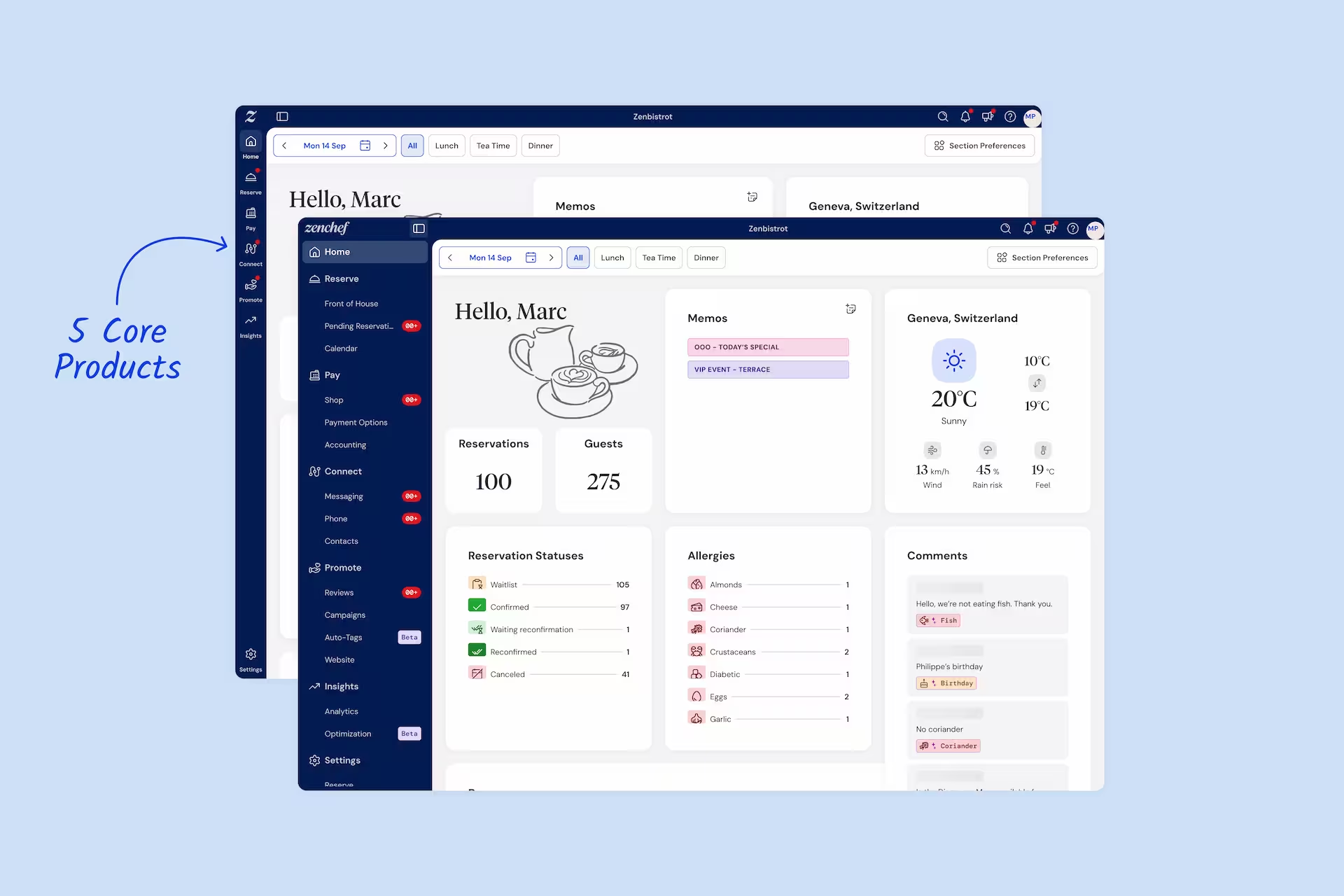
Zenchef's restaurant management software helps you identify these dishes from its professional dashboard.
4 Tips for Maximising Your Restaurant Margins
- Prioritise drinks: Drinks are one of the most profitable categories, whether alcoholic or non-alcoholic, hot or cold. With a full licence, wine, beer, and cocktails all generate excellent margins. Offering wine and food pairings can also help increase the profitability of your dishes.
- Reinvent the classics: Do not hesitate to reinvent classic profitable dishes with a gastronomic twist, offering them at a higher price point. For example: a truffle brie croque monsieur, a wild mushroom tortilla, spaghetti carbonara with parmesan cream and crispy guanciale, or sweet potato fries.
- Embrace dietary variations: The same applies to vegan, vegetarian, healthy, halal, and pescatarian variations of classic dishes.
- Work on your sides and upsells: Offer extras (e.g. extra guanciale, extra burrata, extra buffalo mozzarella), tempting accompaniments (mixed leaf salad, seasonal vegetables), and suggested pairings.
- Develop your bread offering: Sandwiches, burgers, and pizzas all rely on wheat, dough, and bread — bread-based dishes are among the most consistent sellers on any menu.
Most Profitable Drinks
How to Ensure the Profitability of Your Dishes
To ensure the profitability of the dishes on your menu, it is essential to follow these key principles:
Create Recipe Specification Sheets
These documents bring together the technical information relating to a dish, drink, or dessert: presentation, preparation time, list of ingredients, sourcing, selling price excluding VAT, cost price, and portion weight. According to the Food Standards Agency, maintaining detailed recipe records is also essential for traceability and allergen compliance.
Creating recipe specification sheets is an essential step in setting appropriate prices, optimising stock management, controlling costs, and ensuring the profitability of your dishes.
Set Your Prices Carefully
To ensure dish profitability, it is equally important to define selling prices with care, taking into account: the cost of raw materials (food cost), competitors' pricing, overheads, the type of cuisine, and your customer profile. Office for National Statistics data on consumer spending shows that diners are increasingly value-conscious, making transparent and well-justified pricing more important than ever.
Respect Seasonal Produce
Adapt your menu throughout the year to feature seasonal fruits and vegetables. This helps reduce raw material costs and improve dish profitability. As WRAP recommends, aligning menus with seasonal availability also reduces food waste — a key sustainability and cost-saving opportunity for restaurants.
Evolve Your Restaurant Menu
Following the principles of menu engineering, you can optimise your menu based on dish popularity and profitability:
- List all the dishes on your menu.
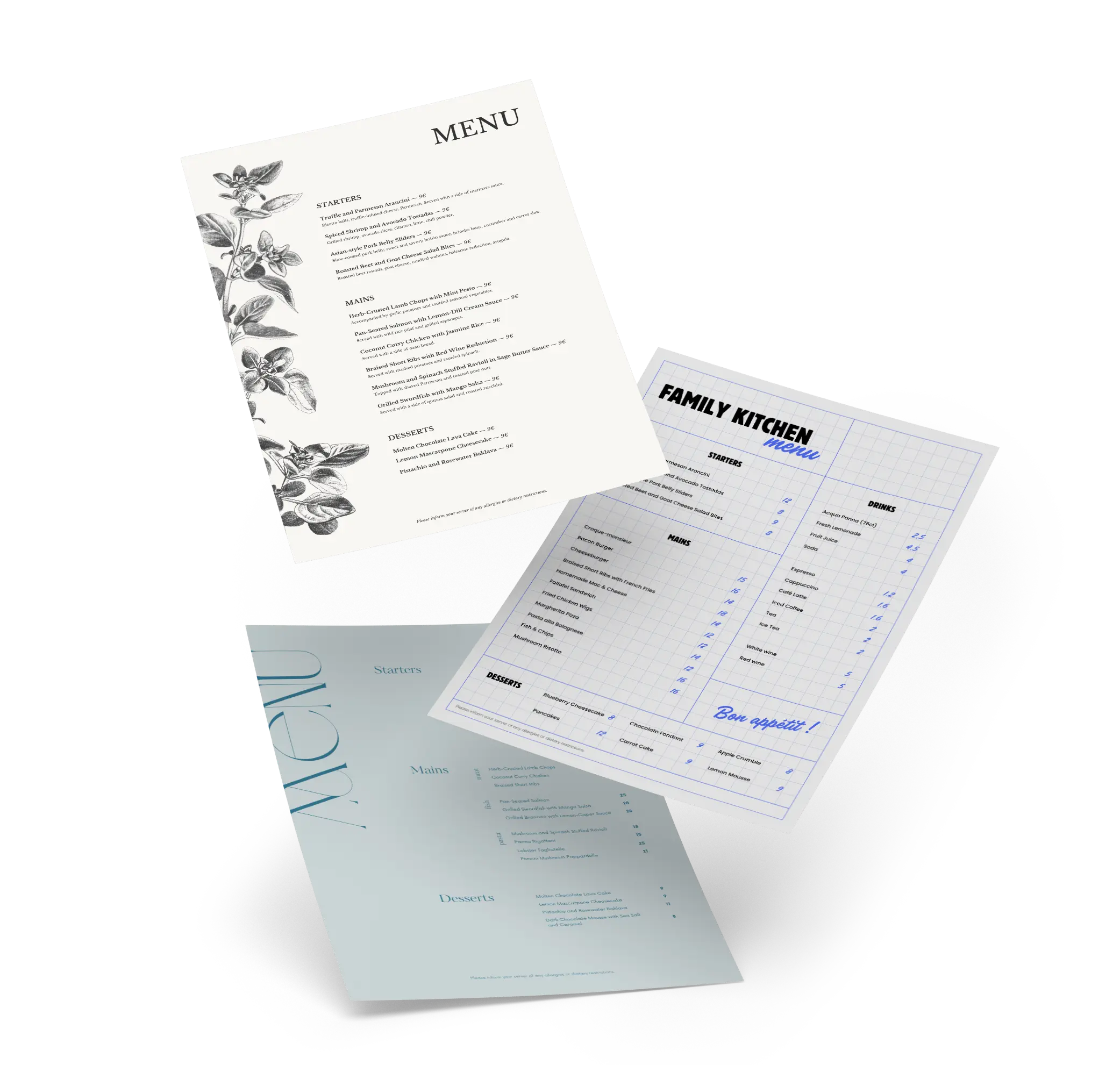
- Highlight star dishes on the menu and maximise their visibility by placing them at strategic positions — at the top right focal point on a two-page menu, or in the upper section of a single-page menu.
- Reduce portions and raise the price of popular but low-margin dishes.
- Adapt the recipe or reposition profitable but unpopular dishes on the menu.
- Remove dishes that are neither popular nor profitable from your menu.
By applying these principles, you can build a profitable menu for your restaurant.